


Creating a beautiful outdoor space does not require a large backyard or an expensive renovation. Even a small patio can become a comfortable place to relax, enjoy meals, grow plants, or spend time with family. With a little creativity and careful planning, you can transform an ordinary outdoor area into an inviting space without spending too much money.
The best small patio ideas on a budget focus on improvements that make a noticeable difference without requiring major construction. Simple changes such as rearranging furniture, adding outdoor lighting, using affordable pavers, and introducing container plants can completely change the appearance of a patio.
You also do not need to complete every upgrade at once. Start with the most important improvements, work within your budget, and add decorative features over time.
In this guide, you will discover 20 affordable patio makeover ideas, learn about inexpensive paving materials, compare concrete and pavers, and find practical ways to improve your outdoor space in stages.
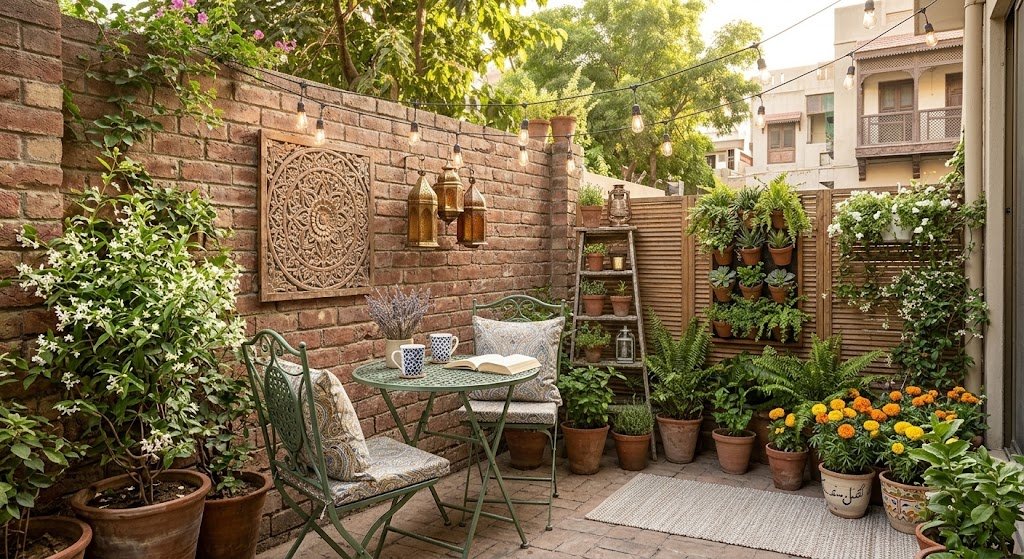
20 Small Patio Ideas on a Budget
1. Refresh Your Patio with Outdoor Furniture
Replacing all your furniture can be expensive, but refreshing what you already own is often much cheaper.
Clean existing chairs and tables, tighten loose screws, and repaint suitable furniture with products designed for outdoor use. Weather-resistant cushions can also make basic seating more comfortable.
If you need new furniture, consider folding chairs, compact bistro sets, or secondhand pieces in good condition.
Budget tip: Spend on comfortable seating before purchasing decorative accessories. A patio that looks attractive but is uncomfortable may not get much use.
2. Use Affordable Patio Pavers
Pavers can create a neat, defined outdoor surface without the cost of a large custom patio. Concrete pavers are often available in different shapes, sizes, and finishes.
For a small space, simple rectangular or square pavers can create a clean appearance. You can also combine pavers with gravel or planting areas to reduce the amount of paving required.
These are some practical small cheap patio paver ideas for homeowners who want a tidy patio without overspending.
Before installation, prepare a stable, properly drained base. Poor preparation can lead to uneven pavers, movement, and puddles.
3. Paint or Refresh an Existing Concrete Patio
If your patio already has a concrete surface, you may not need to replace it. Cleaning and repairing the existing slab can be a cost-effective first step.
Depending on its condition, you could use a suitable concrete coating or exterior concrete stain to refresh its appearance.
Choose a product intended for outdoor concrete and follow the preparation instructions carefully. The surface must be suitable for coating, and the finished treatment should provide appropriate slip resistance.
Budget tip: Repairing and refreshing a usable concrete slab is generally worth considering before paying for a complete replacement.
4. Add Outdoor String Lights
Lighting can make a small patio feel warm and welcoming after sunset. String lights can be attached to suitable supports, mounted along a fence, or arranged around a covered seating area.
Solar-powered lights may help reduce electricity use where sunlight is sufficient.
Keep electrical connections suitable for outdoor conditions, and make sure lights and cables do not create tripping hazards.
5. Create a Container Garden
Plants bring color, texture, and natural beauty to small patios without requiring a large garden bed.
Use pots, planters, or recycled containers that are safe for growing plants. Choose plants according to your local climate, sunlight, and watering needs.
Herbs, flowering plants, compact shrubs, and suitable ornamental grasses can all work well in containers.
Group pots at different heights to create visual interest while keeping the main walking area clear.
6. Use Gravel to Reduce Paving Costs
Gravel can be an affordable alternative to paving an entire outdoor area. It works particularly well in decorative sections, garden borders, and informal seating areas.
Install an appropriate base and edging to help keep the gravel in place. Choose a size and type that is comfortable and practical for the intended use.
Gravel may be less suitable for people who need a firm, smooth surface for mobility aids or wheeled furniture.
7. Build a Simple DIY Bench
A basic outdoor bench can provide seating without taking up as much space as several separate chairs.
You can build one from suitable outdoor-rated lumber or repurpose a sturdy bench that you already own. Sand rough edges and apply an appropriate outdoor finish.
Make sure the bench is stable, can support the intended weight, and is protected from moisture where necessary.
A narrow bench placed against a wall or fence can leave more room in the middle of a small patio.
8. Add an Outdoor Rug
An outdoor rug can visually define a seating area and introduce color or pattern.
Choose a rug designed to withstand outdoor conditions, and make sure it can dry properly after rain. A rug that traps moisture may damage the surface underneath.
Select a size that fits the seating arrangement without covering drainage points or creating a trip hazard.
9. Reuse and Upcycle Old Furniture
Before buying new furniture, consider whether an old table, bench, or set of chairs can be reused.
A sturdy wooden table might need only cleaning and refinishing. Metal furniture may benefit from suitable rust treatment and exterior paint.
Avoid using damaged or unstable pieces, especially when they will support people or heavy objects.
Upcycling allows you to personalize your patio while reducing unnecessary spending.
10. Add Privacy with Plants or Screens
A patio can feel more comfortable when it offers some privacy from nearby windows or neighboring outdoor spaces.
Tall planters, trellises, and suitable climbing plants can provide a natural screen. Outdoor privacy panels are another option where space and local rules allow.
Place screens carefully so they do not block access, reduce essential ventilation, or create unsafe conditions in strong winds.
11. Create a Small Dining Area
Even a compact patio can accommodate outdoor meals with the right furniture.
A small round table, folding chairs, or a wall-mounted folding table can save space. Choose furniture that can be moved or stored when not in use.
Keep enough room to pull chairs out comfortably and move around the table.
12. Use a Simple Color Scheme
A coordinated color scheme can make a small patio look more organized and spacious.
Choose two or three complementary colors for cushions, planters, furniture, and accessories. Neutral tones can create a calm background, while brighter accents add personality.
You do not need to replace everything. Repainting one suitable piece of furniture and changing a few cushions may be enough.
13. Install a Simple Paver Border
If your patio has a plain concrete center or an existing paved area, a border can make the space look more finished.
Use compatible pavers or edging materials to define the perimeter. The design should work with the existing surface and should not interfere with drainage.
A simple border is usually easier to plan and maintain than an intricate pattern involving many different materials.
14. Make a Vertical Garden
When floor space is limited, vertical gardening can help you introduce more greenery without filling the patio with pots.
Use a sturdy wall-mounted planter, a freestanding plant rack, or a trellis suitable for the plants you select.
Check the weight of containers and wet soil before attaching planters to walls or fences. Use appropriate fixings and avoid blocking doors, windows, or drainage outlets.
15. Add Solar Garden Lights
Solar lights can illuminate pathways, planters, and patio edges without requiring electrical wiring for each light.
Their performance depends on sunlight, battery condition, and product quality. Place solar panels where they receive adequate light during the day.
Use low-level lighting to highlight features and help people navigate safely after dark.
16. Define the Patio with Edging
Edging can separate a patio from lawn, gravel, or planting areas. It gives the space a more intentional appearance and helps keep loose materials in place.
Affordable options may include suitable landscape edging, simple paver borders, or properly installed timber edging.
Choose a material that can withstand the local weather and is appropriate for contact with soil and moisture.
17. Add a Shade Solution
A small patio can become uncomfortable during hot weather if it receives strong direct sunlight.
Depending on your space and budget, consider a patio umbrella, a suitable shade sail, or an existing covered area.
Check that the support system is designed for outdoor conditions and wind exposure. An improperly secured umbrella or shade sail can become dangerous during gusty weather.
18. Decorate with Affordable Accessories
Small accessories can add personality without requiring construction.
Consider weather-resistant cushions, outdoor lanterns, plant pots, or a simple centerpiece for the table.
Use accessories sparingly. Too many items can make a small patio feel crowded and create additional cleaning and storage work.
19. Improve Drainage Before Decorating
A beautiful patio will not remain attractive if water regularly collects on its surface.
Check whether water drains away from the house and whether the existing surface has cracks, low spots, or blocked drainage routes.
Depending on the problem, you may need to repair the surface, adjust the surrounding ground, or consult a qualified professional.
Avoid making changes that direct water toward your home or a neighboring property.
20. Upgrade Your Patio in Phases
One of the most effective small patio ideas on a budget is to complete the makeover in manageable stages.
Instead of paying for furniture, paving, lighting, plants, and decorations at the same time, divide the work into priorities.
For example:
- Phase 1: Clean the patio, remove clutter, and make necessary repairs.
- Phase 2: Improve the surface and drainage if needed.
- Phase 3: Add comfortable seating and a compact table.
- Phase 4: Introduce plants and outdoor lighting.
- Phase 5: Add rugs, cushions, and decorative accessories.
This approach allows you to spread the cost over time and adjust the design as you discover what works best.
Small Cheap Patio Paver Ideas
Pavers can be an attractive choice for a small outdoor space, but the installation method and preparation affect the total cost.
Here are several options to consider.
Use Standard Concrete Pavers
Standard concrete pavers are often more economical than premium natural stone. Choose a straightforward pattern to simplify cutting and installation.
Compare the full project cost, including base material, edging, delivery, and labor if you hire a contractor.
Combine Pavers with Gravel
Rather than paving every square foot, create a seating area with pavers and use gravel in suitable surrounding sections.
This can reduce the quantity of paving material required. However, the gravel area still needs appropriate preparation and edging.
Create a Simple Stepping-Stone Layout
Stepping stones can work for a garden path or an informal outdoor area where a continuous paved surface is not necessary.
Place them securely and at comfortable intervals. Avoid unstable stones that wobble or create a trip hazard.
Choose a Simple Pattern
Straight rows or a basic staggered pattern are generally easier to lay out than complex decorative designs.
A simple pattern can also reduce cutting waste, depending on the patio’s dimensions.
Small Concrete Patio Ideas
Concrete is another practical choice for homeowners who want a durable, relatively low-maintenance surface.
Refresh the Existing Slab
If the slab is structurally sound, cleaning and repairing it may provide the biggest improvement for the lowest cost.
Address cracks and surface problems using methods suitable for the type and condition of the concrete.
Add a Concrete Stain
A compatible concrete stain can change the appearance of a plain slab without requiring a complete replacement.
The final color depends on the concrete’s condition, preparation, and the product used. Test a small area before treating the entire patio.
Create a Defined Seating Zone
Use furniture, an outdoor rug, planters, or a border to define a seating area on an existing concrete surface.
This is often a simpler makeover than installing a new patio.
Consider a New Concrete Slab Carefully
Pouring a new concrete patio can provide a continuous surface, but it requires proper ground preparation, thickness, reinforcement where appropriate, and drainage planning.
Compare quotations and make sure the proposal accounts for site conditions, access, and disposal of existing material if needed.
Concrete Patio vs. Pavers: Which Is More Affordable?
The least expensive choice depends on your location, the size of the patio, site preparation, and labor costs.
| Feature | Concrete Patio | Paver Patio |
|---|---|---|
| Initial cost | Often economical for a simple slab | Depends on paver type and installation |
| Appearance | Smooth, uniform surface | Many shapes, colors, and patterns |
| Repairs | Repairs may be visible | Individual pavers can often be replaced |
| Installation | Requires proper preparation and finishing | Requires a stable base and careful leveling |
| Drainage | Needs suitable slope and drainage design | Joint and surface design affect drainage |
| Maintenance | Cleaning and occasional repairs | May need joint-material replacement and weed control |
| Best for | Simple, continuous outdoor surfaces | Decorative patterns and modular repairs |
Which should you choose?
A basic concrete slab may be economical for a simple patio, especially when site access and labor are favorable. Pavers may be a better fit if you want a patterned finish or the ability to replace individual units.
Always compare the total installed cost rather than the price of the surface material alone.
How to Plan a Small Patio Makeover on a Budget
Step 1: Measure Your Space
Measure the patio’s length and width. Note the location of doors, drains, steps, and other features.
Accurate measurements help prevent unnecessary purchases and make it easier to estimate material quantities.
Step 2: Set Your Spending Limit
Decide how much you can comfortably spend. Reserve part of the budget for unexpected repairs, delivery fees, or additional materials.
Avoid spending the entire budget on decorations before addressing surface problems.
Step 3: Prioritize Essential Repairs
Check for unstable paving, significant cracks, drainage problems, loose railings, or other safety concerns.
Fixing these issues first can prevent more expensive problems later.
Step 4: Choose Two or Three Improvements
Select upgrades that work together. For example, refreshed furniture, a few planters, and solar lighting can create a noticeable change without a major construction project.
Step 5: Compare DIY and Professional Costs
Simple cleaning, decorating, and arranging furniture may be suitable DIY tasks. Concrete work, significant grading, drainage changes, and structural repairs may require experienced professionals.
Compare quotations and confirm what each quote includes before making a decision.
Frequently Asked Questions
1. What are the cheapest ways to improve a small patio?
Cleaning the existing surface, reusing furniture, adding container plants, installing solar lights, and refreshing cushions are affordable starting points. Repairing an existing concrete slab may also cost less than replacing it.
2. Are pavers cheaper than concrete for a small patio?
It depends on material prices, labor, preparation, and the size of the project. A simple concrete slab can be economical, while pavers may offer more flexibility for decorative designs and individual repairs.
3. What are the best small cheap patio paver ideas?
Standard concrete pavers, simple straight patterns, paver-and-gravel combinations, and basic stepping-stone layouts can help control costs. Proper base preparation remains important for a stable result.
4. What are some affordable small concrete patio ideas?
You can clean and repair an existing slab, use a suitable concrete stain, add a seating area, or define the edges with planters and pavers. Check the condition of the concrete before applying a coating.
5. Can I improve my patio without construction?
Yes. Furniture arrangement, plants, outdoor rugs, lighting, cushions, and decorative accessories can make a major visual difference without rebuilding the surface.
6. How can I make a small patio look bigger?
Use compact furniture, keep walking routes clear, choose a coordinated color scheme, and avoid overcrowding the area with decorations. Vertical planters can introduce greenery while preserving floor space.
7. Is DIY patio installation worth it?
DIY can reduce labor costs if the task is within your skill level. However, paving, drainage, and concrete installation require proper preparation. Poor workmanship may lead to uneven surfaces or costly repairs.
8. How should I maintain a budget patio?
Sweep the surface regularly, clean spills, inspect pavers and edging, remove weeds where necessary, and protect furniture according to the manufacturer’s instructions. Address small problems before they become larger repairs.
Conclusion
A small outdoor area can become a beautiful and functional retreat without a major renovation. The most effective small patio ideas on a budget focus on practical improvements that make the space more comfortable, attractive, and easy to maintain.
Start with cleaning, repairs, and furniture you already own. Then consider affordable pavers, refreshed concrete, container gardens, lighting, and simple privacy features. If your budget is limited, complete the project in phases instead of trying to do everything at once.
Whether you choose small cheap patio paver ideas or practical small concrete patio ideas, prioritize good preparation, drainage, and safe installation. A thoughtful plan can help you create an inviting patio that suits your home and your budget.
