

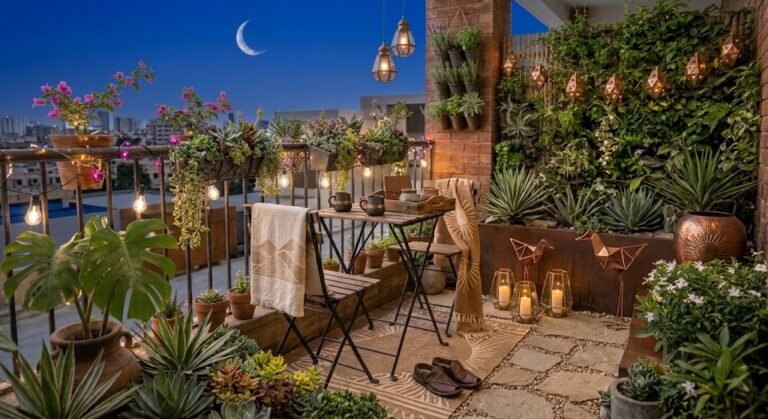
A small backyard can become a beautiful outdoor retreat with the right combination of patio materials, plants, lawn, and thoughtful furniture placement. You do not need a large garden or an expensive renovation to create a space that feels comfortable, attractive, and useful.
The best small backyard patio ideas combine hardscape and soft landscaping. Pavers provide a practical surface for seating and dining, while plants, grass, gravel, and flower beds soften the edges and make the yard feel more natural.
Whether you have a narrow backyard, a compact square garden, or a tiny space behind your house, there are many ways to create a functional outdoor area. This guide explores 20 patio designs, explains how to connect the patio to the surrounding landscape, and shares practical tips for choosing materials, plants, and furniture.
Why Combine a Small Patio With Landscaping?
A patio made entirely of concrete or pavers can look plain if it has no connection to the surrounding garden. Landscaping adds color, texture, shade, and visual interest.
Combining hardscape and softscape creates a more balanced outdoor environment.
Benefits of a Blended Patio Design
- Makes small spaces feel larger: Planting beds and open lawn areas soften hard boundaries.
- Adds natural beauty: Flowers, shrubs, ornamental grasses, and small trees create visual interest.
- Improves functionality: A defined patio provides space for dining, relaxing, or entertaining.
- Supports better drainage: Properly designed permeable paving and planted areas can help manage rainwater.
- Creates privacy: Screens, climbing plants, and carefully placed shrubs can make a small yard feel more secluded.
- Can improve comfort: Shade plants and trees may help reduce direct sunlight in suitable locations.
The goal is to create a smooth transition between the patio, garden beds, lawn, and other outdoor features rather than treating each area as a separate space.
20 Small Backyard Patio Ideas That Blend Patio and Landscape
These designs suit different backyard shapes, budgets, and gardening preferences. You can use one idea on its own or combine several to create a personalized outdoor space.
1. Square Paver Patio With Border Planting
A square patio is a practical choice for a compact backyard. It creates a clear seating area while leaving room around the edges for plants.
Choose square or rectangular pavers in a neutral color. Add narrow planting beds along two sides, using low-growing shrubs, flowers, or ornamental grasses.
Best for: Small square backyards and simple seating areas.
Landscaping tip: Keep plants low near the patio entrance so the area remains open and easy to access.
2. Rectangular Patio With a Lawn Transition
A rectangular patio works well behind a house because it can follow the building’s shape. A small lawn beside or in front of the patio creates a softer transition from hardscape to garden.
Use pavers for the dining or seating area, then add a narrow grass strip between the patio and planting beds.
Best for: Backyards with enough space for a small lawn.
Landscaping tip: Use a clean edge between the pavers and grass to make mowing and maintenance easier.
3. Small Patio Surrounded by Raised Garden Beds
Raised beds bring plants closer to the seating area and help define the patio without requiring tall walls.
Build beds from brick, stone, timber suitable for outdoor use, or other durable materials. Fill them with herbs, flowers, or compact shrubs.
Best for: Homeowners who enjoy gardening.
Landscaping tip: Leave enough space between the beds and furniture for comfortable movement.
4. Gravel Patio With Stepping Stones
Gravel can be a budget-friendly alternative to a fully paved patio. It provides a textured surface that blends naturally with planting beds.
Place large stepping stones across the gravel to create a stable route between the house, seating area, and garden.
Best for: Informal gardens and lower-cost projects.
Landscaping tip: Install suitable edging and a properly prepared base to keep gravel from spreading into the lawn or flower beds.
5. Narrow Patio With Vertical Gardens
A narrow backyard may not have enough ground space for large planting beds. Vertical gardening allows you to add greenery without sacrificing much floor area.
Use wall-mounted planters, a trellis, or containers arranged on a sturdy vertical stand. Pair these with a slim bench or compact bistro set.
Best for: Townhouses, side yards, and narrow outdoor spaces.
Landscaping tip: Select plants that suit the available sunlight and make sure wall-mounted planters have appropriate drainage.
6. Patio With a Curved Planting Border
Curved planting borders can soften the straight lines of a rectangular patio. A gentle curve also creates a more natural-looking connection between paved space and garden.
Use low flowers, ornamental grasses, or compact shrubs along the curve.
Best for: Backyards that need a softer, more organic appearance.
Landscaping tip: Keep the curve broad and simple. Too many small bends can make the space look crowded.
7. Modern Patio With Gravel and Ornamental Grasses
For a contemporary garden, combine large-format pavers with gravel and groups of ornamental grasses.
Choose two or three materials that complement each other, such as gray pavers, pale gravel, and green foliage. Repeating the same plants creates a coordinated appearance.
Best for: Modern homes and low-maintenance gardens.
Landscaping tip: Check the mature size of each grass variety to prevent plants from overwhelming the patio.
8. Small Patio With a Flower Garden Edge
A flower border adds color and seasonal interest to a simple patio. Choose plants with different flowering periods to keep the garden attractive throughout the growing season.
Use taller flowers toward the back of the border and shorter plants near the patio edge.
Best for: Garden lovers who want a colorful outdoor retreat.
Landscaping tip: Group plants with similar water and sunlight requirements together.
9. Paver Patio With a Stepping-Stone Lawn Path
If your backyard includes grass, a stepping-stone path can connect the patio to a shed, garden, or other outdoor feature.
Use stones that complement the main patio material. Set them securely and space them for a comfortable walking stride.
Best for: Backyards with multiple small activity areas.
Landscaping tip: Keep the path direct and avoid placing stones where water regularly collects.
10. Small Patio With a Built-In Bench and Planters
A built-in bench can save space because it does not need to be moved around like separate chairs. Planters beside or behind the bench create a natural backdrop.
Choose weather-resistant materials and include a comfortable outdoor cushion if appropriate.
Best for: Compact patios where every inch matters.
Landscaping tip: Avoid oversized planters that block the main walking route.
11. Patio With a Small Tree as a Focal Point
A carefully selected small tree can give the backyard a sense of height and structure. Place it in a nearby planting bed or a suitable large planter.
Choose a species that fits your climate, soil, available sunlight, and mature root spread.
Best for: Backyards that need shade or a strong visual focal point.
Landscaping tip: Check the tree’s mature canopy and root requirements before placing it close to paving, walls, or foundations.
12. Circular Seating Area With Pavers
A circular patio can create a cozy seating space within a larger rectangular yard. Use a circular paver pattern or arrange paving around a central focal point.
Surround the area with low plants, gravel, or lawn.
Best for: Informal seating and conversation areas.
Landscaping tip: Keep enough open space around the circle to avoid making the backyard feel cramped.
13. Patio With a Herb Garden
A herb garden makes the patio practical as well as attractive. Plant herbs in raised beds, containers, or a narrow border close to the seating area.
Depending on your climate and sunlight, options may include basil, mint, thyme, rosemary, and parsley.
Best for: Home cooks and small-space gardeners.
Landscaping tip: Grow mint in a container because it can spread aggressively in garden beds.
14. Low-Maintenance Patio With Native Plants
Native plants are often well adapted to local conditions and may require less maintenance once established. Their suitability depends on the climate and soil in your area.
Combine a simple paver patio with groups of native grasses, shrubs, and flowering plants.
Best for: Homeowners who want a natural garden with manageable upkeep.
Landscaping tip: Ask a local nursery for plants that suit your region and require minimal irrigation.
15. Patio With a Privacy Screen and Climbing Plants
A privacy screen can make a small patio feel more comfortable, particularly when neighboring windows overlook the backyard.
Use a trellis, outdoor screen, or suitable fence section. Add climbing plants that can thrive in your climate.
Best for: Closely spaced homes and overlooked backyards.
Landscaping tip: Allow room for plant growth and maintenance, and choose a screen that does not block essential light or airflow.
16. Mixed-Material Patio With Brick and Stone
Combining two complementary paving materials can create visual interest without needing a complicated design.
For example, use larger stone pavers for the main seating area and brick edging to define the boundary.
Best for: Traditional homes and cottage-style gardens.
Landscaping tip: Limit the number of colors and patterns so the patio looks coordinated rather than busy.
17. Small Patio With a Container Garden
Containers are useful when the ground is paved, soil quality is poor, or you want to change the layout later.
Arrange pots of different heights around the patio perimeter. Use a consistent color palette or repeat similar container shapes for a tidy look.
Best for: Rental properties, paved courtyards, and flexible layouts.
Landscaping tip: Use lightweight containers where possible and make sure excess water can drain safely.
18. Patio With a Fire Pit and Planting Border
A fire pit can create a comfortable gathering area in a suitable backyard. Surround it with a noncombustible surface and maintain safe distances from furniture, structures, and plants.
Choose compact seating and keep the surrounding landscaping simple.
Best for: Homeowners who enjoy outdoor gatherings.
Landscaping tip: Check local fire rules, manufacturer’s clearance instructions, and seasonal restrictions before installing or using a fire pit.
19. Tropical-Style Patio With Layered Greenery
A tropical-inspired design uses broad leaves, layered plants, and natural-looking materials to create a lush atmosphere.
Choose plants suited to your climate. In cooler regions, use containers that can be moved indoors or replace tropical varieties with hardy plants that offer a similar visual effect.
Best for: Backyards that receive suitable sunlight and have room for containers or planting beds.
Landscaping tip: Use a few larger plants rather than filling every corner with small pots.
20. Minimalist Patio With One Feature Planting Bed
A minimalist patio is ideal for homeowners who prefer a clean, uncluttered space.
Use simple pavers, compact furniture, and one carefully designed planting bed. Include a small tree, sculptural shrub, or repeating group of grasses as the main feature.
Best for: Very small backyards and modern homes.
Landscaping tip: Keep the patio surface clear and let the planting bed provide the main visual interest.
Small Backyard Pavers Ideas: Choosing the Right Materials
Pavers help define the patio and connect it to the rest of the landscape. The best material depends on your budget, climate, maintenance preferences, and intended use.
Common Patio Paver Options
| Material | Appearance | Main Advantages | Considerations |
|---|---|---|---|
| Concrete pavers | Modern or traditional | Available in many shapes and colors | Base preparation and joint maintenance matter |
| Natural stone | Natural and varied | Distinctive textures and appearance | Cost and maintenance vary by stone |
| Brick pavers | Classic and warm | Suit traditional and cottage gardens | Some types may fade or need joint maintenance |
| Porcelain pavers | Clean and contemporary | Many styles and relatively easy cleaning | Must be rated for outdoor use and installed correctly |
| Permeable pavers | Functional and varied | Can allow water to pass through designed joints or systems | Require a suitable base and correct installation |
| Gravel with stepping stones | Informal and natural | Often economical and easy to adapt | Gravel may shift and require occasional topping up |
How to Choose Pavers for a Small Patio
Consider these factors before buying materials:
- Size: Larger pavers can reduce the number of visible joints, although the best size depends on the layout.
- Color: Light or neutral colors can create an open appearance, but very light surfaces may show dirt.
- Texture: Select a suitable slip-resistant finish for outdoor use.
- Drainage: Plan where rainwater will go before installing the patio.
- Maintenance: Consider cleaning, weed control, joint repairs, and sealing requirements.
- Climate: Choose materials appropriate for local temperature changes, rain, and sunlight.
The best small backyard pavers ideas are not always the most expensive. A simple, well-installed patio can look attractive when its colors and edges complement the surrounding landscape.
How to Connect the Patio to the Lawn and Garden
A successful patio design should feel like part of the backyard rather than a separate paved platform.
Use Planting Beds as a Transition
Planting beds create a natural border between pavers and lawn. They can soften hard edges and help connect the patio’s materials with the rest of the garden.
Choose a consistent group of plants and repeat them in more than one location to create a unified design.
Add a Stepping-Stone Path
A stepping-stone path creates a visual and practical connection between the patio and other backyard areas. It works well for access to a garden bed, lawn, storage shed, or side gate.
Make sure stones are stable, level, and comfortable to walk across.
Combine Gravel, Pavers, and Greenery
Using three complementary materials can create a balanced design:
- Pavers for the main seating area.
- Gravel for a border or secondary path.
- Plants or lawn to soften the edges.
Keep the number of materials limited. Too many contrasting finishes can make a small space feel fragmented.
Create a Clear Edge Between Hardscape and Softscape
A defined edge keeps grass, soil, mulch, and gravel from spreading into one another. Edging can be made from metal, brick, stone, or other suitable materials.
Good edging also helps maintain a neat appearance and makes garden maintenance easier.
Small Patio Landscaping Ideas for Different Backyard Shapes
The shape of your backyard affects where the patio, plants, and walking routes should go.
Square Backyard
A square yard often works well with a central or corner patio. Use planting beds along the boundaries and leave an open route from the house to the seating area.
Avoid dividing the space into too many small sections.
Narrow Backyard
A narrow yard usually benefits from a patio positioned near the house, with a clear path leading toward the far end.
Use vertical planting, slim furniture, and long planting borders to make the layout feel connected. Avoid placing large containers in the middle of the walking route.
Small Rectangular Backyard
A rectangular yard can be divided into two simple zones, such as a patio for seating and a small lawn or garden beyond it.
Use similar paving materials or repeat the same plants in both zones to create visual continuity.
Irregular Backyard
An irregular yard may benefit from a simple patio shape that contrasts with the boundaries of the garden. Use planting beds to soften awkward corners and make the layout feel intentional.
How to Make a Small Patio Feel Bigger
Even a tiny backyard can feel more spacious when the design avoids clutter and unnecessary visual barriers.
Choose Furniture That Fits
Measure the patio before buying furniture. Compact chairs, folding tables, and benches can provide seating without taking over the entire space.
Keep Walking Routes Clear
Allow enough room to walk comfortably between the house, seating, and garden. Avoid placing pots or decorative objects where people need to pass.
Use Repeated Colors and Materials
Matching the pavers, planters, and outdoor furniture to a small color palette helps the area feel unified.
Add Vertical Interest
Trellises, wall planters, and carefully positioned plants draw the eye upward without using much ground space.
Avoid Overcrowding
A few well-chosen plants can be more effective than dozens of small containers. Leave some open space so the patio remains functional.
Budget-Friendly Small Backyard Patio Ideas
A beautiful outdoor space does not always require a complete renovation.
Start With a Simple Patio Shape
A square or rectangular patio is often easier to plan than a complex design with multiple curves and levels.
Use Plants Strategically
Rather than planting every border immediately, start with a few suitable shrubs, grasses, or flowering plants. Add more as your budget allows.
Mix Existing Lawn With a Small Paved Area
Keep healthy lawn where it is useful and pave only the area needed for furniture. This can reduce material costs while preserving a green appearance.
Reuse Suitable Materials
Existing pavers, planters, or outdoor furniture may be reused if they are in good condition and safe for their intended purpose.
Compare Installation Costs
Material prices are only one part of the budget. Include site preparation, excavation, base materials, edging, drainage, delivery, and labor where applicable.
Common Mistakes to Avoid When Designing a Small Patio
A little planning can prevent expensive repairs and an uncomfortable layout.
- Making the patio too large: A large paved area may leave little room for plants or lawn.
- Ignoring drainage: Poor drainage can cause standing water, erosion, or damage near the house.
- Choosing plants that grow too large: Mature shrubs and trees can crowd the patio or interfere with paving.
- Using too many materials: Excessive colors and patterns can make the backyard feel disjointed.
- Blocking the walking route: Oversized furniture and planters can make a compact patio difficult to use.
- Forgetting maintenance: Plants, gravel, joints, and outdoor furniture all need some level of care.
- Installing pavers on an unsuitable base: Poor preparation can lead to uneven surfaces and shifting stones.
- Overlooking sunlight: Plants may struggle if their light requirements do not match the location.
Frequently Asked Questions
1. What are the best small backyard patio ideas?
The best designs combine a compact seating area with planting beds, a small lawn, gravel, or containers. Square paver patios, narrow patios with vertical gardens, and patios surrounded by raised beds are practical options for many small yards.
2. How can I make a small backyard patio look attractive?
Choose a consistent color palette, use furniture that fits the space, and add greenery around the edges. A clear walking route and a few well-placed plants can make a small patio look organized and welcoming.
3. What are the best pavers for a small backyard patio?
Concrete pavers are a versatile option because they come in many sizes, colors, and patterns. Natural stone, brick, and outdoor-rated porcelain are alternatives. The right choice depends on your budget, climate, maintenance needs, and installation requirements.
4. How can I landscape around a small patio?
Use low planting beds, containers, ornamental grasses, shrubs, or a small lawn to soften the patio’s edges. A stepping-stone path can connect the patio to other areas of the yard.
5. Is gravel cheaper than pavers for a small patio?
Gravel is often less expensive to install than a fully paved surface, although the final cost depends on site preparation, edging, base materials, and labor. Gravel may also need periodic leveling and replacement.
6. How do I design a patio in a narrow backyard?
Place the patio near the house, use slim furniture, and keep a clear path toward the garden. Vertical planters and narrow planting borders add greenery without taking up much ground space.
7. Can I combine pavers and grass?
Yes. Pavers can be combined with lawn strips, stepping stones, or planted joints when the layout and materials are designed for that purpose. Proper installation and drainage are important to keep the surface stable and usable.
8. Which plants are best around a small patio?
Compact shrubs, ornamental grasses, seasonal flowers, and suitable herbs can work well. Select plants according to your local climate, sunlight, soil, water availability, and mature size.
9. How much should I budget for a small backyard patio?
Costs vary depending on patio size, materials, site conditions, labor, and drainage requirements. Get local quotes and include preparation, edging, delivery, and landscaping rather than budgeting for pavers alone.
10. Do small patio landscaping ideas require professional help?
Simple container gardens and small planting beds may be manageable as DIY projects. Professional help is worth considering for major excavation, drainage problems, retaining walls, complicated paving, or work near foundations and utility lines.
Conclusion
The best small backyard patio ideas bring together practical paving, comfortable furniture, and landscaping that suits the size and shape of the yard. A small square patio can benefit from border planting, while a narrow backyard may work better with vertical greenery and a simple walking route.
Start by deciding how you want to use the space. Choose a patio size that leaves room for movement, select durable materials, and create a natural transition between pavers, lawn, gravel, and planting beds.
Whether you prefer a modern paver design, a colorful flower border, or a low-maintenance garden, you can create a welcoming outdoor area without filling every inch of the backyard. With thoughtful planning and a few well-chosen details, even a small patio can become a beautiful extension of your home.
