

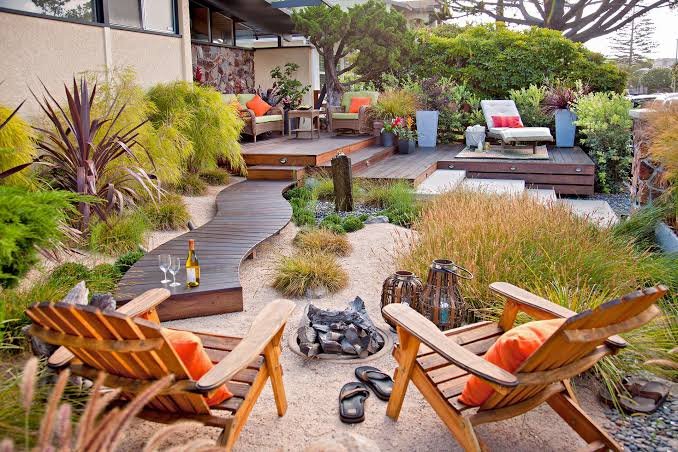
The best small backyard ideas begin with a clear priority: a place to sit, a manageable garden, room for children to play or a comfortable setting for a few guests. Choose two main uses, connect them with an easy route and leave enough open space for the yard to function. A small backyard does not need every outdoor feature to feel complete.
Measure the yard, observe the light and test furniture positions before buying materials. A compact layout improves when each element earns its place. The 30 ideas below can be combined into a plan that suits the shape of your yard, the household’s routines and the time available for maintenance.
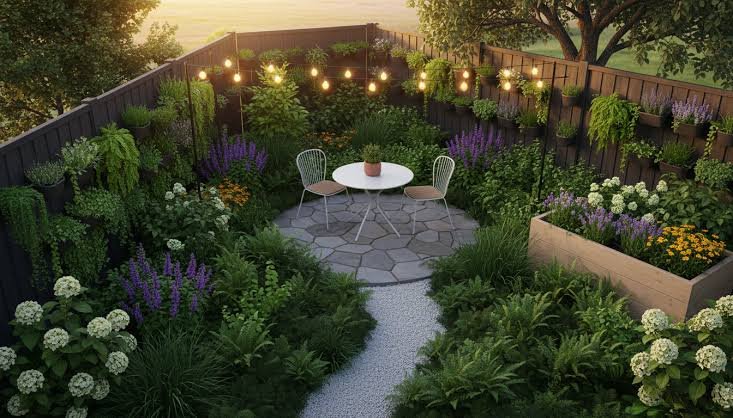
Small backyard ideas: start with a simple site and use map
Draw the house edge, doors, boundaries and existing features. Mark where water collects after rain, where shade changes through the day and where equipment needs access. Note anything that must remain reachable, including gates and service areas. These observations help separate usable space from a shape that only looks empty on paper.
Write down two everyday activities and one occasional activity. For example, morning coffee and gardening may be daily priorities, while entertaining four guests is occasional. Plan the everyday uses first. Movable chairs can accommodate occasional visitors without dedicating most of the yard to a dining set that rarely gets used.
Plant selection should follow site conditions. The University of Minnesota’s Plant Elements of Design resource emphasizes matching plant needs to the growing site. Use it as a selection framework and consult locally appropriate guidance; Minnesota plant choices are not automatically suitable for every climate or backyard.
30 ways to make a compact yard work harder
1. Choose one main gathering space
Place the principal seating area where you are most likely to use it. Test the actual chairs and the route to the house. One comfortable gathering spot usually works better than several undersized seating areas competing for the same limited space.
2. Create a separate quiet corner
If reading or solitary coffee matters, use one small chair beside a planted edge. Keep it distinct from the main gathering space without building a second full patio. A modest corner can provide another use while leaving the center available.
3. Use movable furniture
Choose pieces that can be rearranged when the yard’s activity changes. Check their weight and storage needs before buying. A flexible pair of chairs can support everyday use and occasional guests without forcing the same layout throughout the season.
4. Test a compact dining arrangement
Set out the table and chairs with seats pulled back, then walk around them. The tabletop alone does not represent the footprint. For backyard small patio ideas, prioritize a usable circulation route over squeezing in the largest possible table.
5. Add a narrow wall-side bench
A bench can make an edge useful while preserving the middle of the yard. Check comfort, drainage and maintenance access behind it. Avoid permanently attaching furniture until the location has been tested during the times you expect to sit outside.
6. Keep a multipurpose open area
Leave a central space available for stretching, children’s games or moving chairs. Its surface should suit the intended activities and local conditions. An open area is a planned feature, not wasted space awaiting another planter or decorative object.
7. Define zones with furniture orientation
Face seating toward a planted boundary and turn a dining arrangement toward the house. This can distinguish activities without extra walls. In a narrow yard, reducing physical dividers often makes movement easier and preserves more usable space.
8. Choose one restrained surface palette
Repeat a small number of compatible surface materials rather than introducing a different finish for every corner. Consider drainage, maintenance and installation requirements. A coherent palette can simplify later additions and make small sections read as one yard.
9. Make the main route obvious
Connect the house door to the gate and main seating without unnecessary detours. Trace the route while carrying a tray or garden supplies. Plants and furniture should not gradually close the path as they are added or moved.
10. Use a secondary garden path only where needed
A short path can provide access to beds without creating a full second circulation network. Choose it because it solves a maintenance problem. Decorative paths that lead nowhere can consume planting space and add edging and cleaning work.
11. Group planting into clear beds
Concentrated beds can be easier to maintain than scattered planting pockets. Arrange them around the yard’s functions and leave room for access. Repeat a few suitable plants to create continuity instead of collecting unrelated specimens in every available gap.
12. Plan for mature plant size
Sketch plants at their expected mature spread before buying them. A shrub that fits comfortably in a nursery pot may crowd the path later. Choose scale from reliable plant information and local advice rather than planning to prune every oversized plant indefinitely.
13. Put the tallest planting where it serves a purpose
Use height to soften a boundary or frame a view while considering shade and access. Avoid adding a large plant simply because the yard lacks height. Its mature form should support the layout without overwhelming seating or obstructing necessary maintenance.
14. Use containers for flexible accents
Group a few containers near the seating area or entrance. Match their size and plants to the site, and include watering in the maintenance plan. Containers provide flexibility, but too many can create a collection of small obstacles along the route.
15. Build a modest edible-growing zone
Start with the herbs or vegetables you actually use and a location suited to their growing requirements. Leave room to water and harvest. A productive small area can be more rewarding than an ambitious garden that lacks light or regular attention.
16. Add vertical growing where appropriate
A suitable trellis can support compatible climbing plants along a boundary. Check the support, attachment and plant requirements before installation. Preserve access behind or beside the structure where needed, and plan for the plant’s eventual spread rather than the initial bare frame.
17. Repeat a simple planting rhythm
Use a recurring combination of structure, seasonal interest and lower planting to connect separate beds. Repetition can make a compact yard feel intentional. It also simplifies shopping and maintenance when the chosen plants suit the different locations where they are repeated.
18. Keep a view open from the house
Arrange one clear sightline from a frequently used window or door. A planted focal point or seating area can sit at its end. Avoid placing the largest storage item directly in that view merely because it is closest to the house.
19. Screen the view that matters most
Identify the specific neighboring window or route affecting privacy. Test the required screen position and height before installing a continuous barrier. Targeted privacy can preserve light and space better than enclosing the whole yard without a clear need.
20. Combine planting with a suitable screen
Where permitted and appropriate, a screen can provide structure while planting softens its appearance. Check local requirements, support and wind exposure. Avoid relying on young plants for immediate privacy when their mature size and establishment time have not been considered.
21. Choose an outdoor storage location deliberately
Put regularly used supplies near their activity without blocking seating or access. Check the cabinet or box with its doors open. Storage should accommodate a defined category rather than become a large catch-all consuming the most comfortable corner of the yard.
22. Use furniture with appropriate storage
A suitable storage bench may combine seating with space for compatible outdoor accessories. Check weather exposure, lid operation and the contents’ storage requirements. Do not assume an outdoor box protects delicate items simply because the product is described as weather resistant.
23. Plan shade before arranging afternoon seating
Observe the seat at the actual time it will be used. Existing shade may already solve the problem. If adding a shade product, follow its support and weather-use instructions and account for the whole operating footprint, including bases and attachment points.
24. Light the route first
Start with the places people walk, step and enter rather than lighting every planting bed. Choose outdoor-rated products and appropriate installation. Check glare from seated positions and neighboring properties. Lighting should improve evening use without turning the small yard into a bright display.
25. Add one evening focal point
After route lighting is addressed, highlight one feature such as a planted wall or seating backdrop. A single deliberate accent can provide enough interest. Test it after dark so the lighting reflects how the yard is experienced rather than how it looks in daylight.
26. Keep entertaining supplies portable
A tray or movable serving table can support occasional guests without a permanent outdoor kitchen. Store the supplies indoors or in suitable protected storage. Check that the serving position leaves the main route open when several people are seated.
27. Reserve a practical children’s activity spot
Choose an activity zone that can be supervised and kept separate from equipment needing restricted access. Allow the layout to change as children grow. Avoid filling the yard with permanent features for a short-lived stage when movable play equipment can meet the current need.
28. Make a pet route part of the plan
Observe how pets move through the yard before placing delicate plants or loose containers. Choose locally appropriate, pet-compatible planting with reliable safety information. Provide a washable or maintainable route where needed rather than repeatedly repairing the same damaged corner.
29. Design an awkward corner for a small role
An irregular pocket can hold one compact plant grouping or a suitable storage item. Do not force it into a second seating area if access is poor. Giving the corner a modest purpose can simplify the main layout without demanding major construction.
30. Leave room for a later phase
Keep one flexible area while testing the first layout. You may discover a need for more shade, storage or planting after using the yard. A phased approach allows the final addition to solve an observed problem instead of filling space before its purpose is clear.
Three layout maps for different yard shapes
These are illustrative arrangements, not construction plans. Scale them to actual furniture, plant spread and site conditions. Use a tape measure and temporary markers to test the positions before installing surfaces or beds.
| Yard shape | Near the house | Middle | Far edge | Main layout principle |
|---|---|---|---|---|
| Square | Main seating and clear door access | Flexible open space | Planted edge with one focal point | Keep the center adaptable |
| Narrow | Compact seating on one side | Continuous route with selective planting | Quiet corner or useful storage | Avoid alternating obstacles |
| Irregular | Main activity in the widest usable section | Route through the workable connection | Small planting or service pocket | Assign awkward areas modest roles |
For a square yard, start with a seating rectangle near the house and an L-shaped planted edge. In a narrow yard, place the main seating at one wider end and run the route consistently along a side. In an irregular yard, locate the main activity in the largest accessible section instead of attempting to divide every shape equally.
For detailed planting and path choices, continue with our small backyard landscaping guide. If the plan needs to develop gradually, our budget backyard upgrades help prioritize the first phase.
Keep maintenance visible in the design
Write a short care schedule before purchasing plants or finishes. Identify watering access, pruning space, furniture cleaning and seasonal storage. Choose fewer categories when time is limited. A small yard can still create considerable work if every corner requires a different product, plant treatment or maintenance routine.
Observe the finished first phase during normal use. Note chairs blocking movement, containers needing frequent watering and features that remain unused. Adjust those problems before adding decoration. The most useful small backyard design ideas remain practical through everyday use, changing weather and the household’s available time.
Frequently Asked Questions
What should I put in a small backyard first?
Start with a usable route and one comfortable area for your main activity. Test seating before buying large furniture or installing surfaces. Add planting around the functioning layout, then introduce secondary features only when they solve a clear household need.
How can I make a narrow backyard feel less crowded?
Keep the route consistent, concentrate larger features at suitable wider points and reduce unnecessary dividers. Measure mature planting spread and furniture in use. A sequence of alternate-side obstacles can make a narrow yard difficult to move through even when each object is small.
Can a small backyard have dining and a garden?
Yes, if the dining footprint and garden access are planned together. Choose a table arrangement that leaves a working route and concentrate planting in manageable beds. Movable seating can provide flexibility when entertaining is occasional rather than the yard’s main daily use.
Which plants are best for a small backyard?
Choose plants suited to local climate, light, soil and available mature space. There is no universal list for every yard. Use reliable regional guidance and check ongoing care requirements before buying, especially when considering privacy planting or a small tree.
How do I improve privacy without filling the yard?
Target the view that affects the seating area most. Test a suitable screen or plant grouping in that location instead of automatically enclosing every boundary. Consider local requirements, mature size, shade and wind exposure before making the arrangement permanent.
Conclusion
Good small backyard ideas connect a few clear priorities with an easy route and appropriate planting. Measure the yard as a place people will use, including furniture movement, mature plant spread and service access. Choose the main gathering area first, leave a flexible open section and add privacy, shade and lighting where they support actual activities. The square, narrow and irregular layout examples provide starting points that can be adapted to your own site.
Build the yard in manageable phases and review each phase through everyday use. Concentrate plants into maintainable groups, keep storage deliberate and use portable furniture for occasional needs. A compact backyard does not require a crowded list of features to become inviting. When the layout fits the household’s routines and care capacity, it can support quiet mornings, useful gardening and comfortable gatherings while remaining straightforward to maintain as needs change.
