

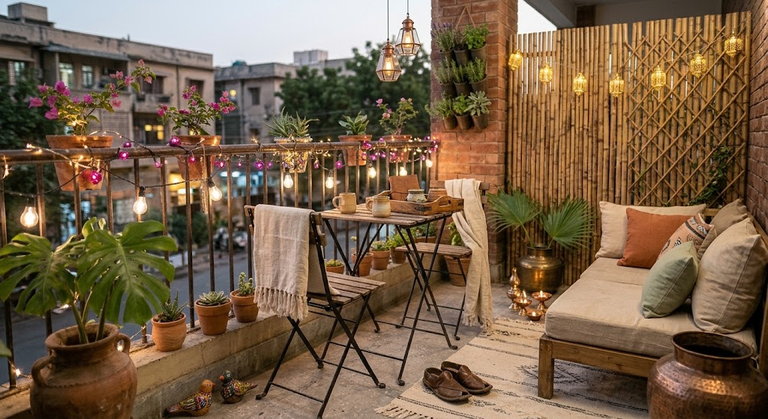
A tiny backyard can still become a beautiful and comfortable outdoor space. Whether you want a place to relax, grow plants, or enjoy coffee outside, the right layout can help you make the most of every square foot.
Successful tiny backyard landscaping is not about adding as many features as possible. It is about choosing practical elements that fit your space without making it feel crowded. Compact furniture, vertical gardens, simple pathways, and suitable plants can transform even a narrow backyard.
This guide covers practical layouts, affordable improvements, plant choices, and common mistakes to avoid when landscaping a tiny backyard.
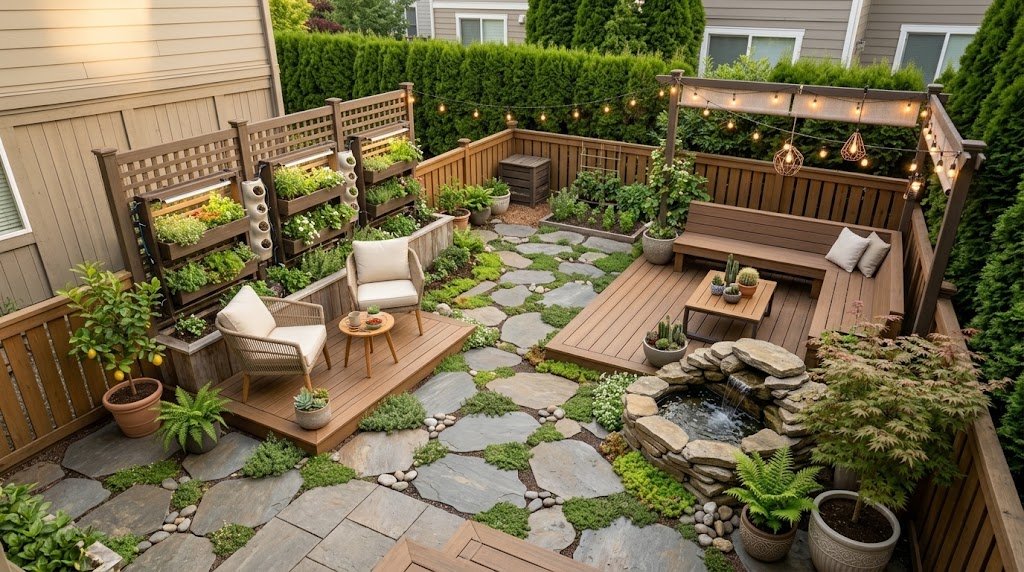
How to Plan Tiny Backyard Landscaping
Before buying plants or materials, decide how you want to use your backyard.
Measure Your Space
Measure the length and width of your yard. Note doors, fences, drains, existing trees, and other obstacles. Make a simple sketch showing where you could place seating, plants, and pathways.
Measuring first helps you avoid purchasing furniture that is too large or creating pathways that are difficult to use.
Choose Your Main Purpose
Focus on one or two main functions:
- Relaxation: A compact bench or two outdoor chairs.
- Gardening: Raised beds, containers, or vertical planters.
- Entertaining: A small table and comfortable seating.
- Family activities: An open area with durable surfaces.
Keeping your priorities simple helps create a functional layout without overcrowding the yard.
7 Practical Layouts for a Tiny Backyard
The best layout depends on your backyard’s shape, sunlight, and intended use.
| Layout | Best For | Main Benefit |
|---|---|---|
| Small patio with border plants | Square yards | Combines seating and greenery |
| Narrow garden path | Long, narrow yards | Keeps movement simple |
| Corner seating | Very small yards | Uses an overlooked corner |
| Vertical garden | Limited ground space | Adds greenery without using much floor area |
| Gravel garden | Low-maintenance spaces | Reduces the need for a lawn |
| Raised planting beds | Home gardeners | Keeps plants organized |
| Open central layout | Family-friendly yards | Leaves room to move |
1. Create a Small Patio
A small patio can become the main feature of your backyard. Use suitable pavers, outdoor tiles, or gravel to define the seating area.
Place planters around the edges instead of scattering pots throughout the yard. Choose two chairs and a small table rather than bulky outdoor furniture.
2. Design a Narrow Backyard Around a Path
For a long, narrow backyard, create a simple pathway leading toward the back fence. Place slim planters along one side and leave the other side relatively open.
A small bench at the end of the path can create a peaceful seating area without dividing the yard into too many sections.
3. Use a Corner for Seating
A corner bench or compact outdoor chair can make an unused corner functional. Add a small table and one or two planters for a comfortable outdoor retreat.
Measure carefully so the furniture does not block doors or pathways.
4. Build a Vertical Garden
Vertical gardening is one of the most useful tiny backyard landscaping ideas because it adds greenery without taking up much ground space.
Consider wall-mounted planters, hanging baskets, or a trellis with suitable climbing plants. Herbs and compact flowers can work well when their sunlight and watering needs are met.
Make sure wall-mounted planters are secure and that excess water drains safely.
5. Replace a High-Maintenance Lawn With Gravel
A lawn may not be practical in a very small yard, particularly if it receives little sunlight. Gravel can create a simple surface for pathways or planting areas.
Combine it with stepping stones and a few carefully selected plants. Install a suitable base and consider drainage before laying the gravel.
Remember that gravel still needs occasional cleaning and weed control. It may also become hot in sunny climates.
6. Add Raised Beds
Raised beds provide a defined space for growing herbs, vegetables, and flowers. A narrow bed along a fence can be useful when ground space is limited.
Leave enough room to reach the plants comfortably, and check sunlight and drainage before installing the bed.
7. Keep the Center Open
A tiny backyard often looks larger when the center remains uncluttered. Place furniture and planters along the edges, and avoid filling every available space with decorative objects.
Using a consistent color scheme and repeating a few materials can make the whole yard feel more organized.
Best Plants for a Tiny Backyard
Plant selection depends on your local climate, available sunlight, watering routine, and the space plants need when mature.
Compact Plants and Containers
Compact shrubs, herbs, ornamental grasses, and seasonal flowers can add color without overwhelming the yard. Containers are especially useful when you cannot plant directly in the ground or want to rearrange the layout.
Climbing Plants
Suitable climbing plants can soften a bare fence while using vertical space. Choose plants that match your climate and provide appropriate support.
Check their mature size and growth habits to prevent them from spreading into pathways or neighboring areas.
Low-Maintenance Greenery
Choose plants that match the sunlight and water available in your backyard. Drought-tolerant varieties may suit sunny, dry locations, while shade-tolerant plants are better for areas with limited direct sunlight.
Avoid choosing plants based only on appearance. The right plant for your conditions will generally be easier to maintain.
How to Make a Tiny Backyard Look Bigger
A few simple design decisions can make a small backyard feel more spacious.
Use Consistent Materials
Using similar paving materials across the main area creates visual continuity. Too many contrasting surfaces can make a small yard look divided.
Add Outdoor Lighting
Suitable wall lights, solar lights, or low-level path lights can make your backyard more inviting after sunset. Place lighting near seating, steps, and pathways without creating unnecessary glare.
Choose Space-Saving Furniture
Measure furniture before buying it. Folding chairs, stackable seating, and small tables provide flexibility when you need additional room.
Improve the Fence
A clean fence, coordinated planters, or suitable climbing greenery can make the boundaries look intentional. Avoid excessive decorations that create visual clutter.
For more inspiration, explore our guide to small backyard landscaping ideas.
Budget-Friendly Tiny Backyard Landscaping Ideas
You do not need a complete renovation to improve your outdoor space. Start with affordable changes that make a practical difference.
- Reuse existing furniture: Try different arrangements before buying anything new.
- Use containers: Add a few suitable pots instead of installing large planting beds.
- Create a simple path: Use stepping stones to define a walking route.
- Add affordable lighting: Choose suitable outdoor-rated lights for seating and pathways.
- Refresh the fence: Clean it or apply an appropriate exterior finish.
- Plant gradually: Start with a few plants and expand when your budget allows.
If you want to create a comfortable seating area, our guide to small patio ideas offers more ideas for compact furniture, flooring, and outdoor decoration.
Before purchasing materials, compare their price, installation requirements, and maintenance needs. An inexpensive material may cost more over time if it requires frequent replacement.
Common Tiny Backyard Landscaping Mistakes
Choosing Oversized Features
Large dining sets, bulky planters, and oversized decorations can take up most of a tiny yard. Measure your space before purchasing anything.
Ignoring Plant Size
Small plants can grow into large shrubs. Check their mature height and spread to ensure they will not block paths or windows.
Forgetting Drainage
Patios, gravel, and raised beds should be planned with water flow in mind. Poor drainage can lead to standing water and moisture problems near buildings.
Creating Too Much Maintenance
A complicated planting scheme may require more work than you can manage. Choose a design that fits the time you have for watering, pruning, and cleaning.
Frequently Asked Questions
1. What is the best layout for a tiny backyard?
A compact patio with plants along the edges works well for many small yards. Narrow spaces may benefit from a simple path, while vertical gardens are useful when ground space is limited.
2. How do I landscape a tiny backyard on a budget?
Reuse existing furniture, add a few containers, create a simple pathway, and improve lighting gradually. You can make noticeable improvements without renovating the entire yard.
3. What plants work best in a tiny backyard?
Compact shrubs, herbs, container flowers, and suitable climbing plants are practical options. Choose varieties based on your climate, sunlight, and available planting space.
4. How can I make my tiny backyard look bigger?
Keep the center open, use consistent materials, select compact furniture, and place plants around the edges. Vertical gardening can add greenery without taking up much floor space.
5. Is gravel suitable for a tiny backyard?
Yes. Gravel can be useful for paths and planting areas when installed with proper drainage and a suitable base. Consider heat, accessibility, and ongoing maintenance before choosing it.
6. Can I landscape a tiny backyard without a lawn?
Yes. You can use a patio, gravel, raised beds, container plants, or vertical planters instead of grass. Choose features that suit your space and lifestyle.
Conclusion
Successful tiny backyard landscaping is about making a small outdoor area attractive, comfortable, and practical. A compact patio, simple pathway, vertical garden, or small planting bed can transform a limited space without making it feel crowded.
Start by measuring your yard, deciding how you want to use it, and choosing a layout that leaves enough room to move comfortably. Add suitable plants, space-saving furniture, and lighting as your budget allows.
With thoughtful planning and a few well-chosen features, landscaping a tiny backyard can be affordable, manageable, and rewarding.
