


Simple landscape design for small spaces begins with deciding what your outdoor area needs to do. You might want a comfortable seat, a clear route to the gate, or a manageable planted border. Choosing priorities first makes the layout easier to build and maintain.
A compact yard does not need many features to feel complete. One useful sitting area, a direct path, and suitable planting can create a practical garden without crowding it.
This guide follows a beginner-friendly sequence: measure the site, sketch the layout, test it outdoors, select materials, and create a realistic spending plan before starting work.
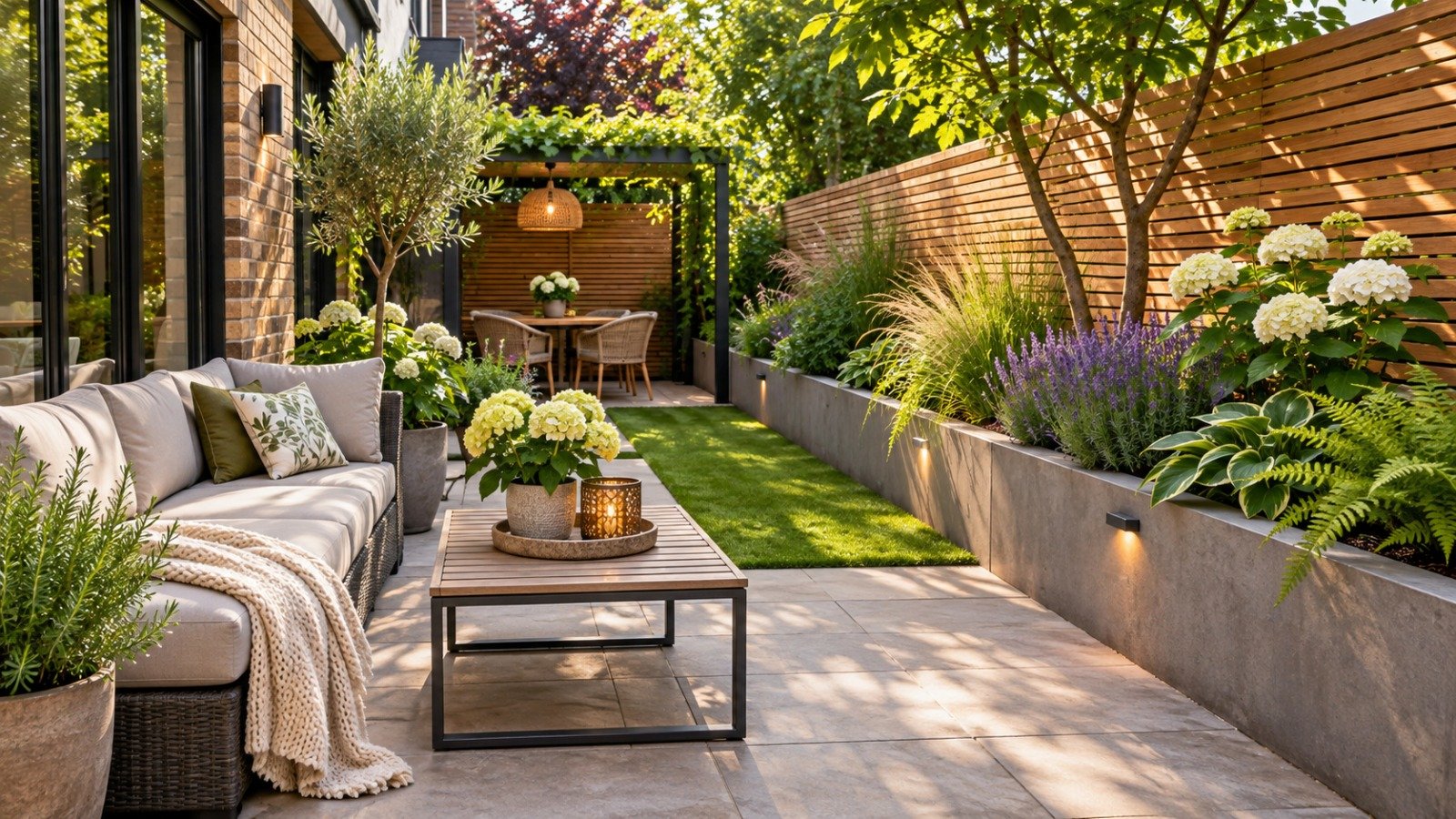
Start Simple Landscape Design For Small Spaces With Priorities
List the activities your yard must support. Include everyday tasks such as moving trash bins, carrying groceries, reaching outdoor equipment, and opening doors. These tasks deserve space before decorative features are added.
Rank your requirements as essential, useful, or optional. For example, a clear walking route may be essential, two chairs useful, and a decorative water feature optional.
Practical simple landscape design for small spaces avoids trying to fit every attractive idea into one plan. Choose one main activity and a few supporting features that suit the area available.
Write a One-Sentence Brief
Describe the result you want in plain language. For example: “A small garden for morning coffee, with one planted edge and an easy route to the gate.”
Keep this sentence beside your sketch. If a purchase does not support it, pause before adding that item to the project. A clear brief prevents the layout from growing beyond your needs.
Measure the Site and Record Conditions
Accurate simple landscape design for small spaces starts with a base plan. Carefully measure the yard’s full length and width, then add doors, fences, existing trees, drains, and fixed structures.
Observe sunlight at different times of day. Mark areas that stay shaded, receive hot afternoon sun, or collect water after rain. Note windy corners and access points that cannot be blocked.
The NC State landscape design guide provides a useful planning framework, including site assessment, activity areas, and plant requirements. Use your observations to shape the plan rather than copying a photograph.
Draw the Base Sketch to Scale
On graph paper, choose a simple scale such as one square representing one foot. Draw the boundary first and add permanent features using the same scale.
Write dimensions beside each feature. A drawing that looks balanced but ignores measurements can leave too little room for chairs, paths, or mature plants when transferred to the yard.
Create an Activity Sketch Before Choosing Materials
The next step in simple landscape design for small spaces is a loose activity sketch. Draw circles or rectangles for seating, planting, and circulation. These shapes represent uses, not finished construction details.
For an illustrative twelve-by-eighteen-foot yard, place an eight-by-eight-foot sitting zone near the house. Reserve a continuous route along one side and use the remaining area for a planted border.
This is a starting concept, not a universal fit. Adjust dimensions for your furniture, access needs, site conditions, and any local requirements that apply to the project.
Sketch One: Keep the Route Direct
Draw the shortest comfortable route between the house and gate. Keep it separate from the space occupied by pulled-out chairs.
Then place the main sitting rectangle beside that route. Add planting only after both functions work on paper. This sequence helps prevent attractive beds from pushing people into awkward detours.
Sketch Two: Give Planting One Strong Edge
For simple landscape design for small spaces, one coherent border is often easier to manage than several isolated pockets. Draw a continuous planting shape along the boundary that offers suitable light.
Leave the opposite edge quieter. This gives the yard a clear structure and reduces the number of small corners that need trimming, cleaning, and separate watering.
Compare Layout and Material Options
Useful landscape design ideas for small spaces should suit daily use and maintenance. The right surface for a chair may differ from the best surface for an occasionally used planting path.
| Element | Simple option | Benefit | Check before choosing |
|---|---|---|---|
| Main route | Existing sound paving | Saves replacement work | Level changes and slip resistance |
| Sitting area | Compact stable paved zone | Supports furniture comfortably | Drainage and usable chair space |
| Planted edge | One continuous border | Easier visual organization | Mature plant width and access |
| Flexible greenery | A few large containers | Can be repositioned | Drainage, weight, and watering |
| Ground finish | Suitable mulch in beds | Reduces exposed soil | Keep clear of crowns and structures |
For broader possibilities, explore these small backyard landscaping ideas. Select individual elements that solve your needs instead of adopting an entire design unchanged.
Test the Layout Outside
Before spending money, mark simple landscape design for small spaces on the ground. Use a hose for bed edges, removable markers for paths, and actual furniture for the sitting area.
Open doors fully, pull chairs back, and walk through while carrying something bulky. Test the route with everyone who uses the yard, including anyone needing extra turning space.
Photograph the arrangement from indoors. The view through a main window often reveals whether the design feels balanced or whether one oversized feature dominates the whole space.
Check the Sitting Area First
These small patio design ideas can help you assess furniture layouts. Measure the space occupied when chairs are in use, not just tucked beneath the table.
Avoid sizing a patio around a product photograph. Use the dimensions of the furniture you own or genuinely intend to buy, then preserve comfortable access around it.
Choose a Small Plant Palette
Plant selection supports simple landscape design for small spaces when mature size guides every purchase. Read the expected height and spread, then allow room for plants to develop without pressing against paths or structures.
Match plants to sunlight, soil moisture, and your local climate. A winter hardiness zone is one filter, but summer heat, drainage, and exposure also matter.
Repeat a few compatible plants rather than collecting many unrelated species. A limited palette can provide a calmer appearance and reduce the number of different care routines required.
Plan Access Behind Planting
Keep maintenance routes in mind when placing shrubs beside fences or equipment. You may need to reach panels, meters, or drainage features without stepping through dense growth.
Small plants do not stay small simply because the garden is compact. Avoid selecting large shrubs on the assumption that frequent pruning will permanently make them suitable.
Build an Illustrative Starter Budget
Affordable simple landscape design for small spaces works in phases. Keep sound existing surfaces and spend first on access, drainage, and essential repairs.
The following is a hypothetical allocation, not a current retailer quote. It assumes an existing usable patio and excludes labor, structural work, permits, delivery, tax, and drainage repairs.
| Item | Sample allowance |
|---|---|
| Small plants for one border | $90 |
| Appropriate soil preparation | $45 |
| Mulch | $35 |
| Simple edging materials | $50 |
| Two suitable containers | $60 |
| Contingency | $70 |
| Total | $350 |
Get local prices before purchasing. If a necessary repair exceeds the allowance, reduce decorative spending or postpone a later phase rather than ignoring the underlying problem.
Install and Review in Manageable Phases
Begin simple landscape design for small spaces with the features that establish the layout. Address essential site problems, confirm routes, and prepare the first planting area before adding finishing touches.
Do not change ground levels or direct runoff toward structures or neighboring properties. Seek appropriate help for drainage, retaining structures, or other work beyond a straightforward planting project.
Observe the first completed area through different weather. Record what works before expanding. A phased approach gives you evidence about plant performance and maintenance instead of relying entirely on expectations.
Review the Sketch Before Shopping
Check simple landscape design for small spaces from the doorway and gate. Test simple landscape design for small spaces with chairs occupied. Review simple landscape design for small spaces after rain, too. These checks reveal access conflicts and drainage concerns before construction. Photograph the marked layout so you can compare the final plan with the space you have. Keep the preferred sketch with your measured material list.
Frequently Asked Questions
What makes simple landscape design for small spaces easier?
Start with one main purpose, a measured sketch, a clear route, and a limited plant palette. Test the layout outdoors before buying materials or digging permanent beds.
What are simple landscape ideas for small yards on a budget?
Keep usable paving, improve one border, reuse suitable furniture, and add containers selectively. Correct access and drainage issues before spending on decorations that do not improve daily use.
Can garden landscape ideas for small spaces include lawn?
Yes, if grass supports how you use the yard and suits the conditions. Compare mowing access, sunlight, watering, and wear before deciding how much area to allocate.
Conclusion
Simple landscape design for small spaces works best as a sequence: set priorities, measure, sketch, test, and build gradually. Choose suitable materials and plants, protect everyday access, and use a realistic budget. A compact garden becomes more enjoyable when each feature has a clear purpose.
